01
Real-time vehicle and asset visibility
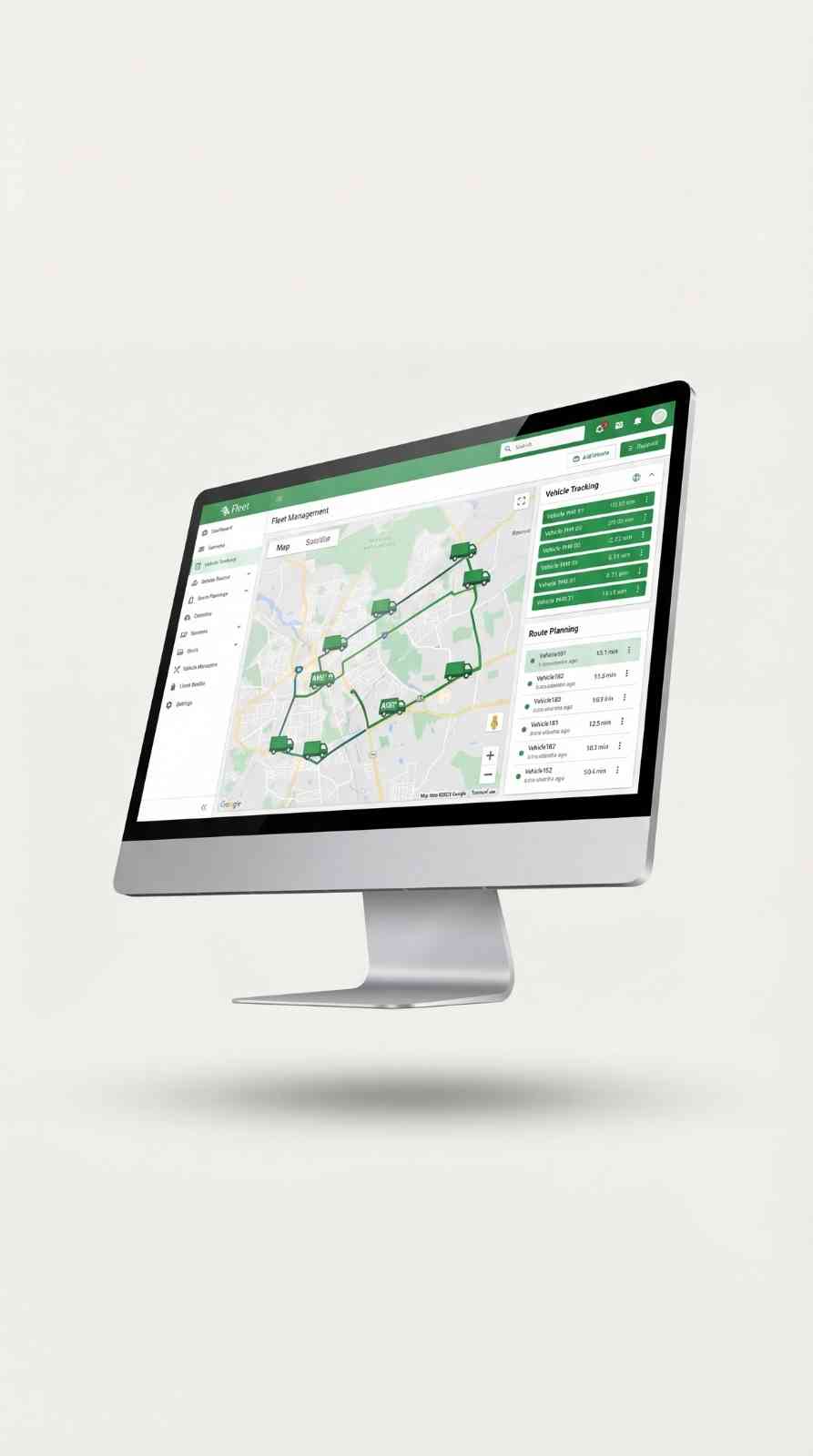
Monitor the current or most recently received location and status of
connected vehicles and mobile assets. Map-based views help dispatchers
and operations teams see active, idle, stopped, or unavailable units
without depending on calls and manual updates.
02
Geofencing and operational alerts
Create approved zones around branches, warehouses, customer
locations, project sites, or restricted areas. The platform can notify
the right team when a supported event occurs, such as entering or
leaving a zone, route deviation, extended stops, or another defined
exception.
03
Trip, route, and dispatch management
Review trip history, planned and completed movement, delivery or
service activity, and route performance. Operational views can support
better dispatch coordination and help teams identify delays, unnecessary
travel, or underused capacity.
04
Driver behavior and safety indicators
Where reliable telematics data is available, the solution can
organize driving events and behavior indicators such as speeding, harsh
acceleration, braking, or extended idling. Managers receive a clearer
basis for coaching, safety follow-up, and internal operating
policies.
05
Fuel, maintenance, and vehicle health
Bring fuel records, mileage, maintenance schedules, service history,
and supported vehicle data into the same operational environment. Alerts
and dashboards help teams move from reactive follow-up toward planned
maintenance and more structured vehicle use.
06
Fleet dashboards and reports
Provide role-based views for dispatchers, fleet supervisors,
maintenance teams, and executives. Dashboards can cover fleet
availability, utilization, trips, exceptions, maintenance status, driver
indicators, fuel trends, and the KPIs approved by the organization.
07
Integration and scalable IoT architecture
Connect supported tracking devices, telematics feeds, APIs, ERP
modules, maintenance systems, or other approved sources. Marmara Digital
designs the data flow and permissions so the platform can grow with
additional vehicles, users, locations, and operating requirements.